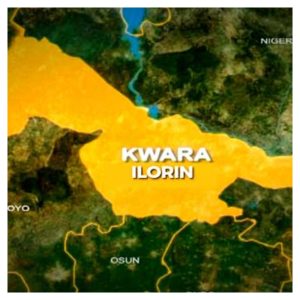
Nigeria’s Insecurity Nightmare: Owa-Onire – From Waterfall Paradise to Ghost Town
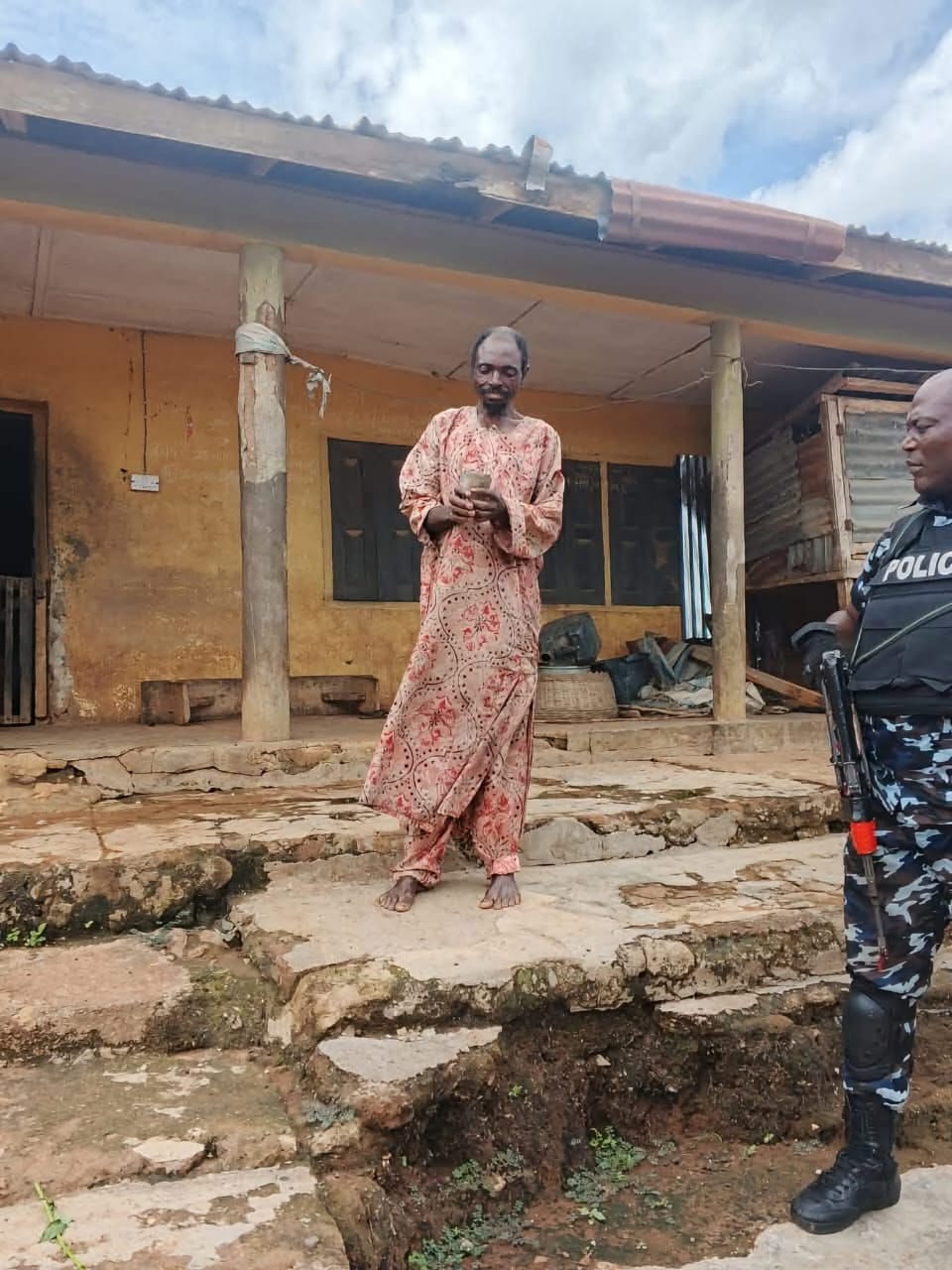
In the once-vibrant hills of Ifelodun Local Government Area in Kwara State, Owa-Onire stands as a haunting monument to failure. Home to the majestic Owu Waterfall, one of West Africa’s natural treasures, this community and dozens like it have been reduced to ghost towns, owing to insecurity.
Empty compounds, locked mosques and churches, fallow farmlands, and abandoned ancestral homes tell a story of lives upended by relentless banditry. Reports from recent security operations paint a grim picture: entire villages in Ifelodun, Isin, and surrounding LGAs lie deserted, with residents fleeing repeated attacks, kidnappings, and violence.
Owa-Onire exemplifies the depth of the tragedy. A joint security team of over 100 personnel, including drone units, Mobile Police, and Anti-Kidnapping Squads, recently swept through the area as part of efforts to secure Kwara South’s forest belts. What they encountered was silence — no bustling markets, no children at play, no community life.
At least 28 communities in Ifelodun LGA alone, including Oro-Ago, Omugo, Ahun, Oke-Oyan, Owa-Kajola, and Oba, have suffered similar fates. Farms that once sustained families now rot, schools have closed, and markets have vanished. Traditional rulers, numbering over 30 across the region, have fled their palaces, seeking safety elsewhere.
This is not an isolated incident but a spreading affliction. Kwara State, long viewed as one of Nigeria’s more stable regions, is now witnessing spillover from banditry and insurgency that originated in the North.
READ ALSO: 160+ Killed: UN, US Condemn Kwara Massacre as Türkiye Pledges Anti-Terror Support
Porous borders, thick forests, and under-policed rural areas have allowed armed groups to establish footholds, turning previously peaceful Yoruba-dominated communities into zones of terror.
The pattern like that of Owa-Onire repeats across the country: from the Northeast, where Boko Haram and its factions continue to wreak havoc, to the Northwest’s bandit strongholds, the Southeast’s unknown gunmen, and the Southwest’s cultism and kidnapping syndicates.
The Lone Landlord of a Deserted Owa-Onire Kingdom
The only person left is Lekan, a prince of the town. He now calls himself “the landlord.” The big mansion, the abandoned houses, the mosque, the church — all of it belongs to the crickets and to him. Lekan did not stay out of courage. He stayed because “Bororo’s War” took everyone else.
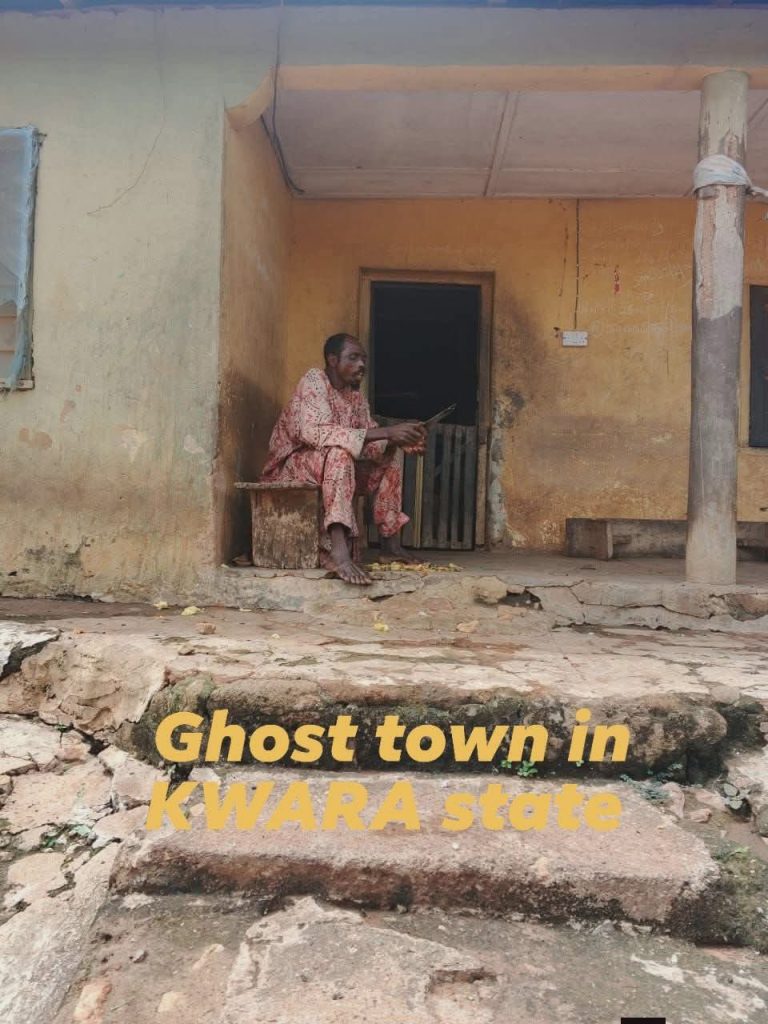
Bandits came repeatedly. Kidnappings became routine. Then they abducted the monarch himself and held him in the forest for months until a ransom was paid. After that, the people could no longer bear it. They locked their doors and left. Some went to Okeonigbin. Most simply disappeared into safer locations.
Nigeria’s insecurity has become a national emergency that bedevils governance at every level. It displaces populations, destroys livelihoods, disrupts education, and threatens food security as farmlands are abandoned. The human cost is immeasurable — families torn apart, children out of school, and a pervasive climate of fear that stifles economic activity and investor confidence. When communities like Owa-Onire empty out, it signals a deeper erosion of state authority.
Citizens lose faith in institutions meant to protect them, while the economy hemorrhages from lost agricultural output and tourism potential, such as the now-inaccessible Owu Waterfall.
The federal and state responses, including recent operations, are necessary but insufficient without sustained presence, intelligence-driven strategies, and addressing root causes — poverty, unemployment, weak justice systems, and easy access to arms. Ghost towns should serve as a national wake-up call. Nigeria cannot claim progress while swathes of its territory remain ungoverned spaces where bandits dictate the rhythm of life.
The desolation of Owa-Onire is more than a local tragedy; it mirrors a nation grappling with systemic vulnerabilities.
Restoring security demands urgent, coordinated action beyond episodic raids — robust policing, community resilience programs, and political will that prioritizes lives over rhetoric.
Until then, more communities risk joining the ranks of the abandoned like Owa-Onire, further weakening the fabric of the Nigerian state. The time for decisive intervention is now, before the map of ghost towns expands any further.
About The Author