FG Targets 3 Key Cancers, Expands Fund to Tackle Rising Skin Cancer Threat Among Albinos
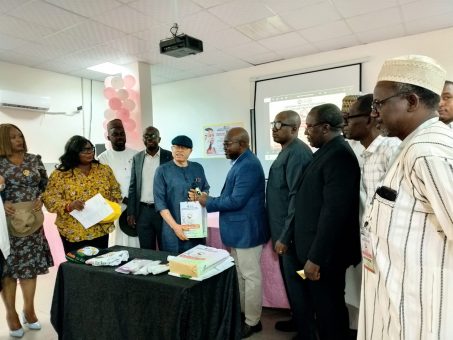
The Federal Government has intensified efforts to address the rising cancer burden in the country, with a renewed focus on skin cancer among vulnerable groups, particularly persons living with albinism.
It has also been revealed that the expansion of the National Cancer Health Fund (NCHF), managed by the National Institute for Cancer Research and Treatment (NICRAT) and currently covering only breast, prostate, and cervical cancers, to include additional cancers such as skin cancer, has reached an advanced stage.
Similarly, the National Health Insurance Authority (NHIA) has also advanced plans for a dedicated cancer management fund that will accommodate additional cancer types, including skin cancer.
This emerged in Abuja on Thursday at the launch of free skin cancer screening services for persons living with albinism and the Shade the Sun Skin Cancer Awareness Campaign organised by NICRAT at the Federal Medical Centre, Jabi.
NICRAT Director-General, Prof. Malami Aliyu, said the campaign forms part of a broader national effort to reposition cancer control towards prevention and early detection.

“This campaign is not a stand-alone intervention. It is firmly anchored within the National Initiative for Cancer Early Detection, Screening, and Coordinated Access to Networked Care (NICE-SCAN), a flagship national platform through which we are systematically repositioning the disease control in Nigeria from a reactive model to one that is preventive, evidence-driven, and people-centred,” he said.
READ ALSO: Unprecedented Demand: Student Loan Requests Cross 1 Million — NELFUND
He disclosed that the screening is being integrated as a routine service within the preventive oncology framework, while healthcare workers are being strengthened with the competencies required to identify suspicious lesions early and link patients into networked care.
NHIA Director-General, Dr. Kelechi Ohiri, described the fund intervention as necessary to address rising cases of preventable the disease among Nigerians living with diabetes and albinism.
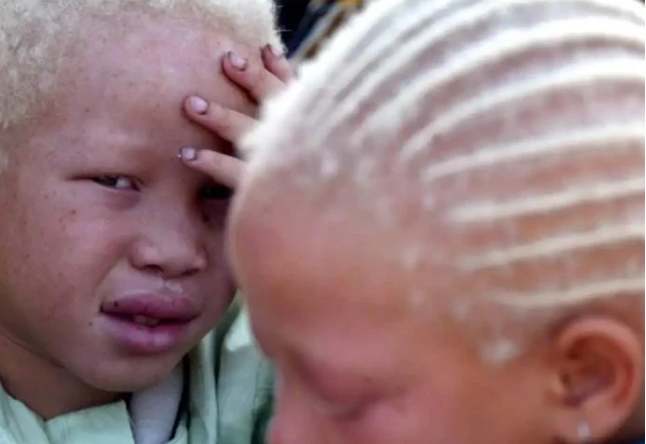
“Skin cancer is largely preventable, yet it continues to claim lives… every day, every month, and causes unavoidable suffering among this population,” he said.
Dr. Evelyn Ogedegbe of the Nigerian Association of Dermatologists said the fund initiative would boost awareness and early detection, which she described as critical to improving care for persons living with albinism.
According to her, increased public understanding would help address widespread misconceptions about the condition and reduce stigma in homes, schools, and workplaces.
“It is when the people know about the condition that they will know what to do about it once certain issues start to arise,” she said, noting that albinism is neither communicable nor infectious and should not be a basis for discrimination.
About The Author