
GMO: How Nigeria’s health system is failing to address concerns part 1
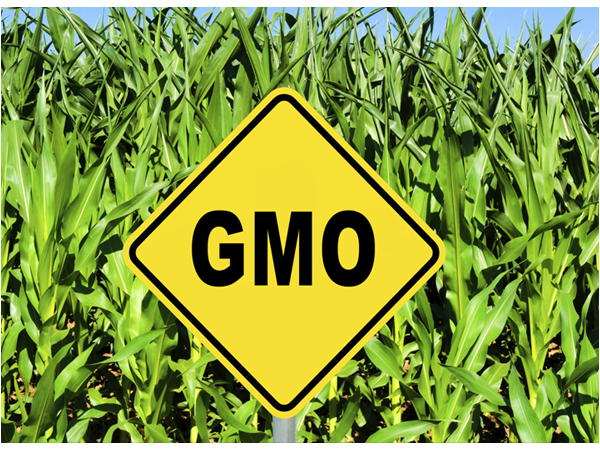
As genetically modified organisms (GMOs) become more prevalent in Nigeria’s food and agricultural landscape, public health experts are raising critical questions. Chief among them: why is Nigeria’s health system largely silent on the potential risks of GMO consumption?
While GMO technology promises increased agricultural productivity and food security, the absence of transparent oversight and long-term health assessments is sounding alarms among health professionals and consumer advocates.
GMO in Nigeria: Innovation or Inattention?
In recent years, Nigeria has embraced GMO crops such as genetically modified maize and cowpea. These developments, supported by biotech companies and local institutions, aim to combat food insecurity, a persistent challenge in the country. However, critics argue that the enthusiasm for GMOs has outpaced the necessary public health evaluations.
“The introduction of GMOs in Nigeria has focused heavily on agricultural gains,” says Dr. Ibrahim Olaniyan, a public health researcher in Abuja.
“But the health sector has been disturbingly quiet. We’re not seeing the level of scrutiny and independent research that should accompany such a major change in our food system.”
READ ALSO: Kogi trains 10,000 health workers to combat malnutrition
Limited Risk Evaluation From Health Sector
While regulatory bodies like the National Biosafety Management Agency oversee the approval process for genetically modified crops, which primarily focuses on environmental and agricultural implications—not health impacts. Additionally, there is minimal participation from the Federal Ministry of Health or NAFDAC in assessing long-term health implications.
“This is a systemic failure,” says Aisha Bello, a Lagos-based food safety advocate.
“Health authorities are not involved in GMO regulation, and that leaves citizens vulnerable to unknown risks.”
Nigeria lacks independent, local clinical studies evaluating the impact of modified crops consumption on human health. Most of the available data is either inconclusive or derived from foreign studies that may not reflect Nigeria’s unique health and environmental context.
“We need our own data,” says Dr. Olaniyan. “Our dietary patterns, genetics, and public health conditions are different. Without domestic studies, we’re making blind decisions.”
The Labelling Gap
Another major concern is the lack of labeling laws in Nigeria. Many consumers unknowingly purchase and consume genetically modified foods without clear identification or education on what GMOs are and how they differ from conventional crops.
This lack of transparency not only violates the consumer’s right to make informed choices but also raises ethical questions about food safety governance.
“Labeling GMOs isn’t just about policy—it’s about public trust,” says Aisha Bello, a Lagos-based food safety advocate.
“People deserve to know what they are eating, especially when the long-term effects are still being debated.”
While some international agencies assert that GMOs are generally safe, others urge caution, citing concerns about allergies, antibiotic resistance, and impacts on gut health. Countries in the European Union, for instance, maintain strict regulations, including mandatory labeling and long-term monitoring.
In contrast, Nigeria’s health system has yet to issue formal guidelines or advisories on genetically modified consumption, leaving a critical gap in public awareness and scientific accountability.
To safeguard public health and build consumer confidence, experts recommend a national strategy that includes:
1. Independent, long-term health research on GMO impacts in Nigeria
2. Mandatory labeling of all products that are genetically modified
3. Public education campaigns on associated risks
Such measures would align Nigeria’s approach with global best practices and restore the health system’s credibility in managing food-related health risks.
Nigeria Cannot Afford Complacency on GMO Oversight
The introduction of GMO into Nigeria’s food supply represents both an opportunity and a risk. While the agricultural benefits are well-publicized, the public health dimension remains dangerously neglected. Without urgent reforms and scientific accountability, the Nigeria health system may be unprepared to deal with potential long-term consequences of GMO consumption.
About The Author