
2020 Election Denier Tina Peters Regains Freedom from Prison
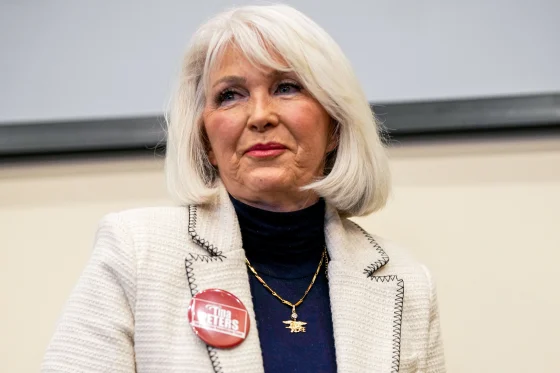
Tina Peters, the former Colorado county clerk who was convicted in a scheme to breach voting systems in search of evidence of election fraud in 2020 has been released from prison on Monday, prison officials confirmed, weeks after the state’s Democratic governor granted a controversial commutation that cut her sentence in half.
The Republican former Mesa County clerk was convicted in 2024 of state felonies for conspiring with fellow election deniers to breach her county’s voting systems in hopes of proving President Donald Trump’s baseless 2020 voter-fraud claims.
She was sentenced to nearly nine years in prison, which was reduced last month by Colorado Gov. Jared Polis to 4 ½ years. She ultimately served about one year and eight months in prison, due in part to Colorado’s parole policies.
Over the years, her plight has become a rallying cry in the election conspiracy movement. And until Monday, she was the last remaining person behind bars in connection with the varying efforts by Trump allies across the country to undermine the 2020 results.
Polis, a Democrat whose term ends next year, announced on May 15 that he was reducing Peters’ sentence.
The governor primarily justified his decision by citing a recent Colorado appeals court ruling that found the trial judge violated Peters’ First Amendment rights by improperly punishing Peters for her protected speech about the 2020 election. But he also defended his decision with a series of misleading and false claims about Peters’ case.
READ ALSO: War Fears Deepen: US Strikes Iranian Radar Installations, Tehran Retaliates Against American Forces
“It was a straightforward decision because, after reviewing the facts, and reading the Appeals Court decision, I concluded that her sentence was simply too long,” Polis wrote Sunday in a Substack post, where he condemned Peters’ crimes.
A bipartisan array of election officials, state prosecutors and lawmakers has condemned Polis for releasing Peters early. He was even censured by the Colorado Democratic Party, which said the commutation set a “dangerous and disappointing precedent.”
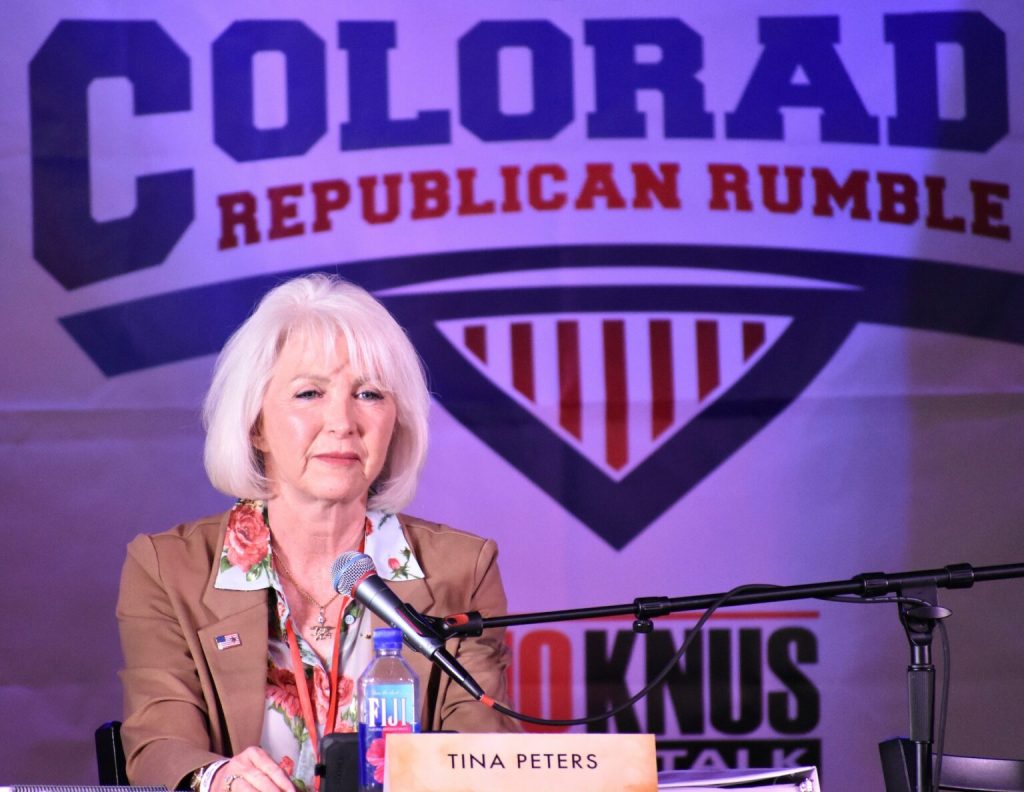
Peters’ early release marks a triumphant moment for the 2020 election denier movement and for Trump, who waged a long pressure campaign against Colorado over her incarceration. Polis said his decision wasn’t influenced by Trump’s actions — which included closing a Colorado-based climate lab, denying federal disaster assistance requests, vetoing a Colorado water project and pulling federal transportation funds.
Trump granted a symbolic federal pardon to Peters last year, but she had remained in prison under state charges. Peters is appealing her convictions, and she maintains her innocence.
CNN has reached out to Peters’ lawyers seeking comment.
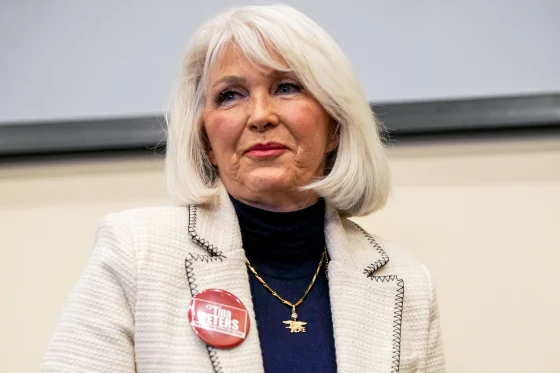
The election denial movement in the United States is a widespread false belief that polls in the United States are rigged and stolen through election fraud by the opposing political party.
Adherents of the movement are referred to as election deniers. Election fraud conspiracy theories have spread online and through conservative conferences, community events, and door-to-door canvassing.
Since the 2020 United States presidential poll, many Republican politicians have sought elective office or taken legislative steps to address what they assert is weak election integrity leading to widespread fraudulent process, though no evidence of systemic election fraud has come to light and many studies have found that it is extremely rare.
The movement came to prominence after Donald Trump was defeated in 2020. Trump had a history of questioning elections before he ran for office.
He grew the movement among his supporters by making consistently false allegations of fraud during the 2016, and in particular the 2020 presidential election. With these false and unsubstantiated claims, Trump and his associates sought to overturn the 2020 polls of Joe Biden; he and others have been indicted on federal and state charges involving election subversion.
About The Author