NAFDAC vs. The People: 11 Reasons the Sachet Ban is Failing

The air in Nigeria’s industrial hubs is thick with the scent of fermented sachet spirits also known as alcohols and the sound of protest.
As the National Agency for Food and Drug Administration and Control (NAFDAC) moves to enforce a total wipeout of alcohol in sachets and small PET bottles (under 200ml), the nation is no longer just divided—it is in a state of administrative warfare.
While NAFDAC sees a health crisis, the industry sees an economic apocalypse, and the Presidency is now waving a yellow card.
The Backstory: From “Sachetization” to Standoff
The “Sachet War” is the climax of a decades-long struggle between public health and economic survival. In the early 2000s, shrinking disposable income forced a shift toward “sachetized” products, making spirits affordable for the “bottom of the pyramid” consumer.
A 2018 MoU between NAFDAC and industry bodies established a five-year roadmap to curb youth alcohol abuse, culminating in a total production ban by January 31, 2024. However, the 2020 pandemic and record-high inflation led manufacturers to argue that enforcement would be “industrial homicide.” Despite a 2025 House of Representatives resolution to suspend the ban, NAFDAC maintains that its regulatory autonomy supersedes legislative appeals, leading to the current 2026 deadlock.
11 Unfiltered Reasons Why Nigeria Isn’t Ready for a World Without Sachet Alcohol
The “5.5 Million Jobs” Timebomb
The most staggering argument remains the human cost. Labor unions (FOBTOB) and the Manufacturers Association of Nigeria (MAN) warn that the ban threatens over 500,000 direct jobs and nearly 5 million indirect jobs. With 2026 unemployment figures still biting, shuttering production lines is seen by many as a recipe for social unrest.
A N2 Trillion Investment at Risk
Manufacturers have poured roughly N2 trillion into specialized machinery and packaging technology. These lines cannot be “converted” to glass bottles overnight. For many indigenous distillers, the ban isn’t a change in packaging—it’s a death warrant for their business.
The Rise of “Killer” Moonshine
History shows that prohibition rarely kills demand; it just pushes it underground. Critics argue that removing regulated, NAFDAC-certified sachets creates a vacuum filled by unregulated home-brews like ogogoro or kai-kai. Without lab oversight, these often contain lethal levels of methanol.
Sachet-Sized Purchasing Power
In 2026, inflation has made “bulk buying” a luxury. For the average laborer, a N1,500 bottle of gin is unattainable, but a N100 sachet fits the daily budget. Removing the sachet is viewed as a “classist” policy that denies the poor the right to consume what the wealthy can still afford in glass.
The “Smuggler’s Paradise”
Nigeria’s porous borders are a nightmare for regulators. If local production ceases, the market will likely be flooded with cheap, smuggled alternatives from neighboring countries, draining foreign exchange and rewarding criminal syndicates.
READ ALSO: FG Bows To Pressure, Orders NAFDAC To Suspend Sachet Alcohol Ban
Disproportional Blow to Indigenous Firms
While multinational giants can pivot to larger bottles, small-scale indigenous distillers cannot. There is a growing sentiment that this policy inadvertently favors foreign corporations while crippling the “Made in Nigeria” spirit.
The “Mini-Portion” Control Paradox
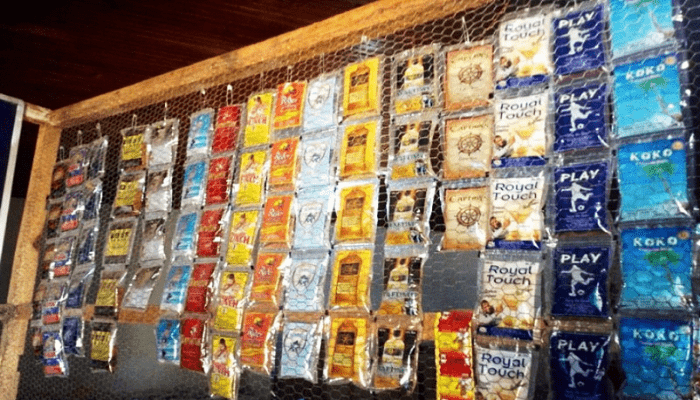
Industry experts argue that sachets actually limit consumption. A consumer who buys one 30ml sachet consumes exactly that. If forced to buy a 750ml bottle because the “shot” size is gone, the psychological tendency is to drink more simply because it is available.
No Safety Net for Petty Traders
Millions of women and widows survive by selling “petty” items in kiosks. Sachet alcohol is a high-turnover product that often pays the school fees in these households. Unlike the manufacturers, these retailers have no “pivot” strategy.
Enforcement vs. Packaging
The core of NAFDAC’s ban is protecting children. However, the opposition argues that minors shouldn’t be in bars in the first place. They argue the solution is stricter age-verification laws and heavy fines for retailers—not banning a product used responsibly by millions of adults.
The Constitutional Standoff
The recent development where the SGF and National Security Adviser (NSA) ordered a suspension—only for NAFDAC to deny receiving it—has created a legal vacuum. Businesses are being sealed by one arm of government while being told they are “clear” by another. This lack of a unified front is destroying investor confidence.
Security Implications
The Office of the National Security Adviser (NSA) has expressed concern that enforcing the ban now could lead to community instability. In a fragile economy, the sudden removal of a massive informal distribution network could trigger protests that go beyond the factory gates.
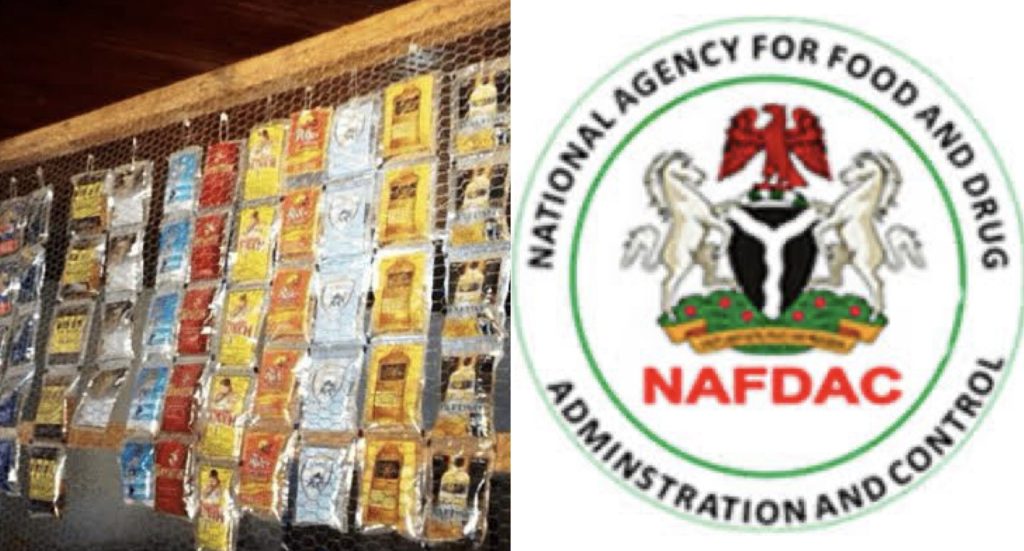
However, as of February 2026, the ban is technically “active” according to NAFDAC, but “suspended” according to the Presidency. The truth remains that until the National Alcohol Policy is fully implemented, Nigeria remains caught between a health mandate and an economic reality.
About The Author